
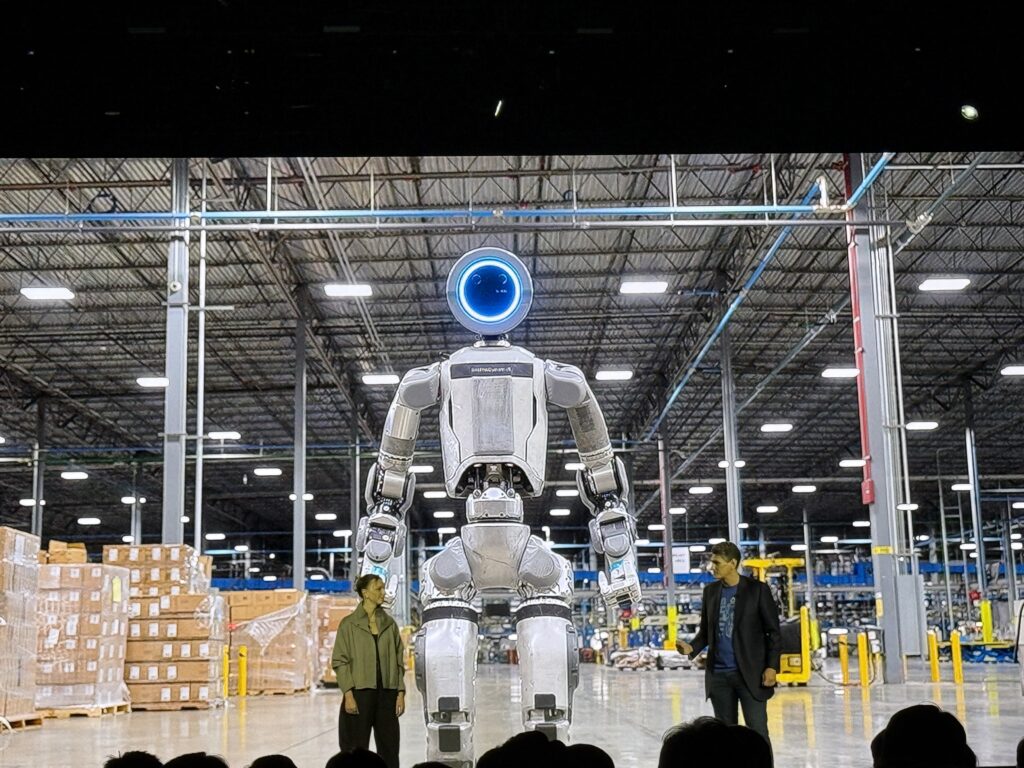
For more than a century, the global auto industry has been defined by scale. The companies that could produce the most vehicles, at the lowest cost, across the widest range of segments held the advantage.
That model is now shifting—and even legacy leaders are acknowledging it.
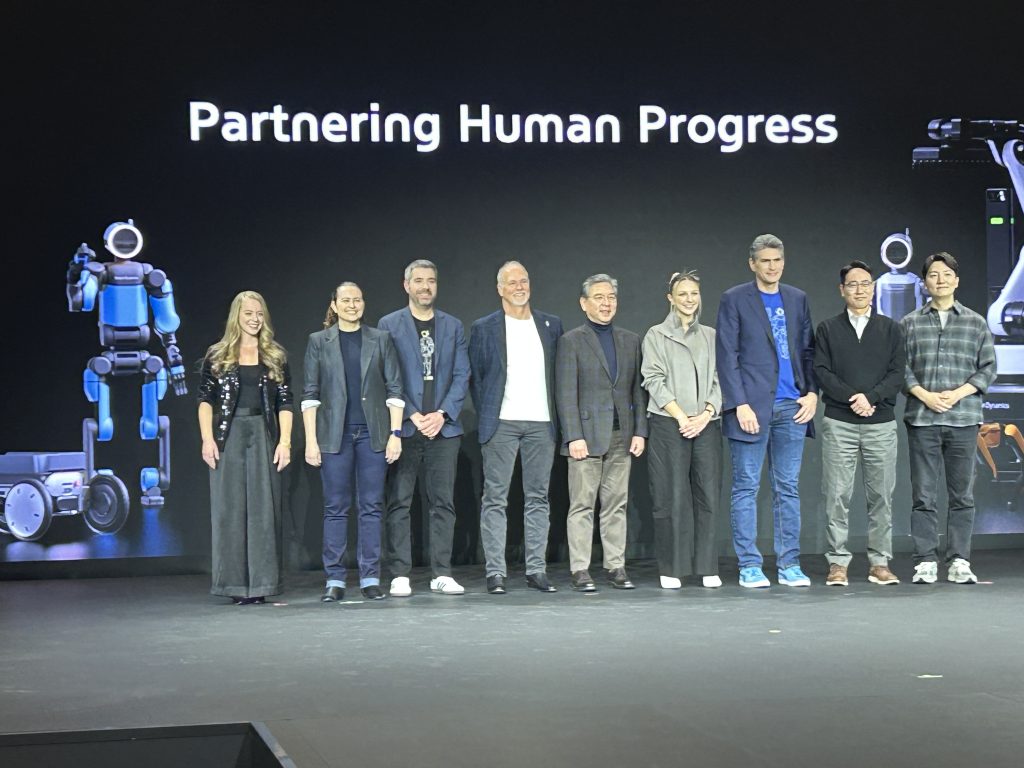
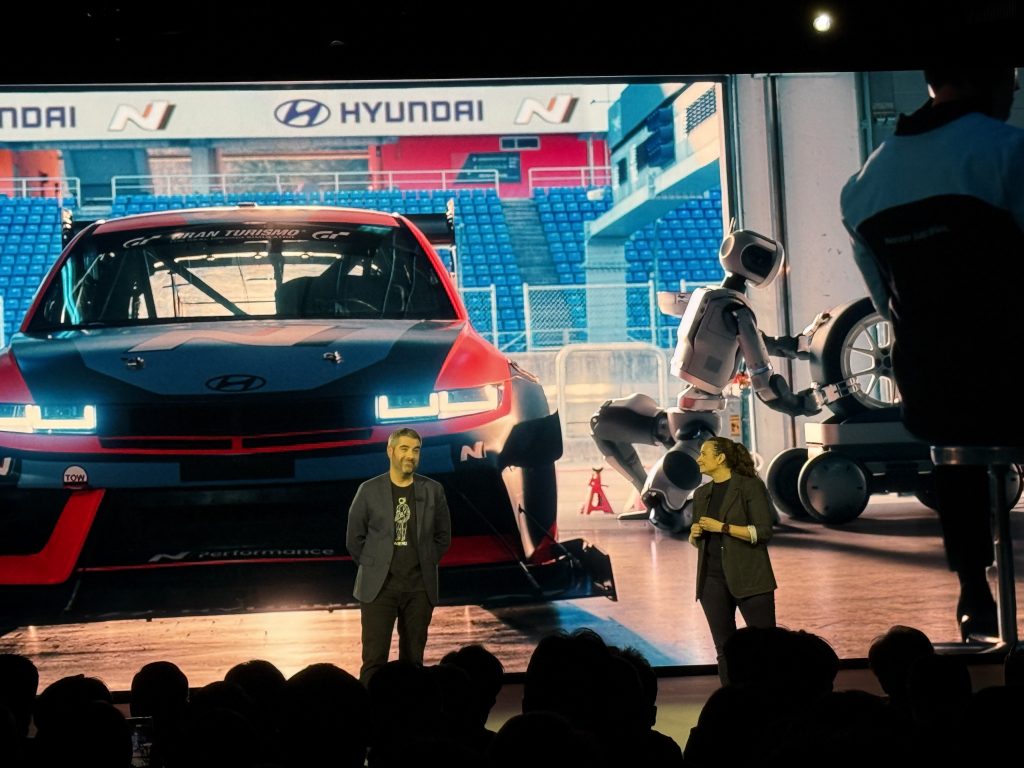
Hyundai is taking over in several key markets, and since January, I have been working on this article, observing their presence and attending their press conference at CES in Vegas, traveling to Singapore to see their HQ and speak with an executive, and also interviewing José Muñoz, Hyundai Motor Company President and CEO at the New York Auto Show. I had also previously visited their factories in Korea and wrote a previous article on the automotive industry https://toyznation.com/?p=2307 . What truly underscores where Hyundai is can be gleaned from comments from a competitor’s CEO.
Reflecting on Ford’s attempt to compete across the full automotive spectrum, CEO Jim Farley offered a striking admission:
“It was a spiritual moment for Ford to be a full-line manufacturer, but I learned so much because maybe that was a mistake. It wasn’t a mistake to try, but our costs were not competitive with Toyota and Hyundai/Kia, and in the end, we have to change to Broncos and pickup trucks.”
That statement underscores a deeper reality: Hyundai Motor Group is no longer just competing in the global automotive market—it is helping redefine it.
Over the past decade, Hyundai has moved from value challenger to technology leader. It has reshaped expectations across core vehicle segments, entered the luxury market with Genesis, and is now pushing into ultra‑premium territory. More importantly, it is building something larger than a car company: a fully integrated mobility and manufacturing ecosystem.
I’ve had the opportunity to watch this transformation up close—visiting Hyundai facilities across Europe, Korea, and most recently Singapore. What I saw connects directly to my own work: preparing the next generation for a future defined by AI, robotics, electrification, and connected systems.
A New Kind of Automotive Powerhouse
Across the industry, electrification, autonomous driving, connectivity, and alternative energy are no longer future concepts; they are the foundation.
Vehicles now function as rolling software platforms. Cities are evolving into connected ecosystems. And manufacturing itself is being reinvented through automation, AI, and digital twins.
Hyundai Motor Group has positioned itself at the center of this transition.
Through Hyundai, Kia, and Genesis, the group has committed tens of billions of dollars toward electrification and next-generation mobility. At the same time, it is investing heavily in the systems that underpin production itself fom robotics to simulation.
I visited the KIA factory in Sohari before
https://toyznation.com/?p=1522
I also have covered the Hyundai Studio in Goyang
https://toyznation.com/?p=1369
Alot has transpired since my visits.
Two flagship initiatives illustrate this strategy:
-
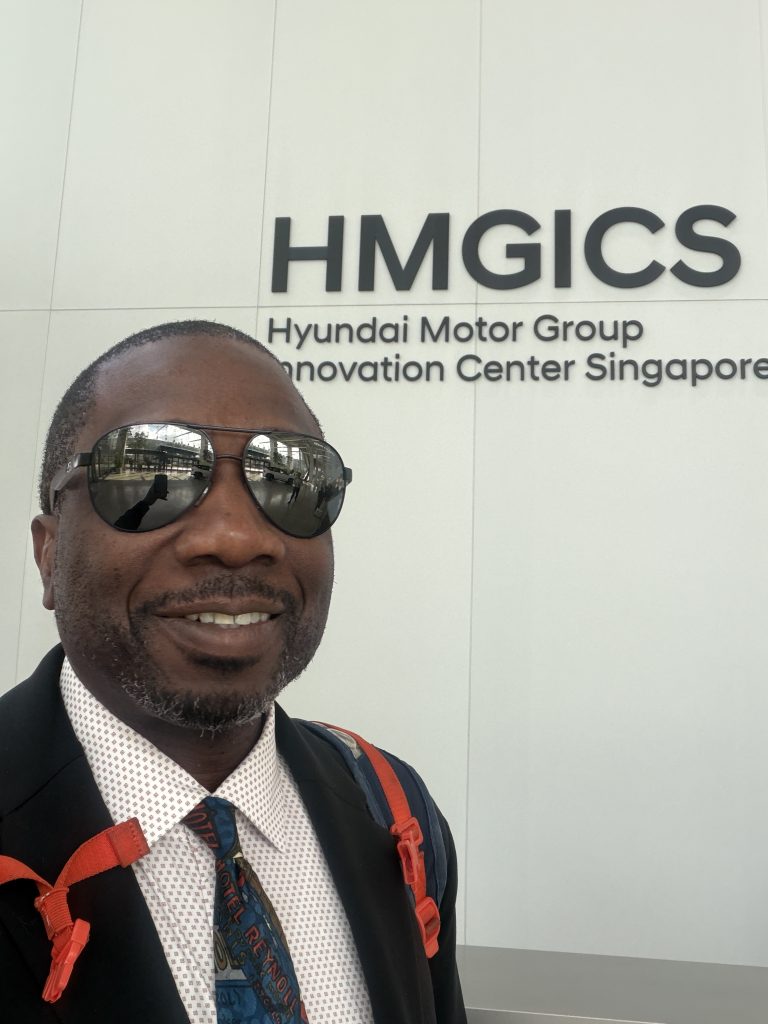
- Hyundai Motor Group Innovation Center Singapore (HMGICS): A smart urban mobility hub integrating robotics, AI, and digital twin-driven manufacturing
-
- Hyundai Motor Group Metaplant America (HMGMA) in Georgia: A $12.6 billion investment, the largest economic development project in the state’s history, designed to produce hundreds of thousands of EVs and hybrids annually
Taken together, these investments represent something larger than expansion. They signal a shift toward a new industrial blueprint, one where production, technology, and human experience are deeply interconnected.
Hyundai is no longer just an automaker. It is a global technology company that builds mobility systems.
When Robotics Became Cultural
Before I even arrived in Singapore, I saw Hyundai shaping the narrative differently through culture.
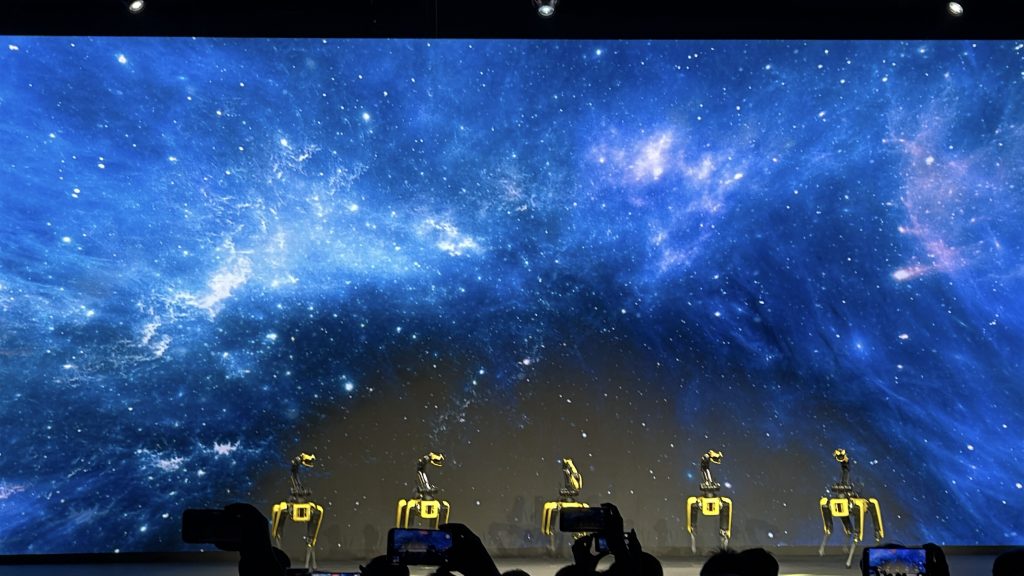
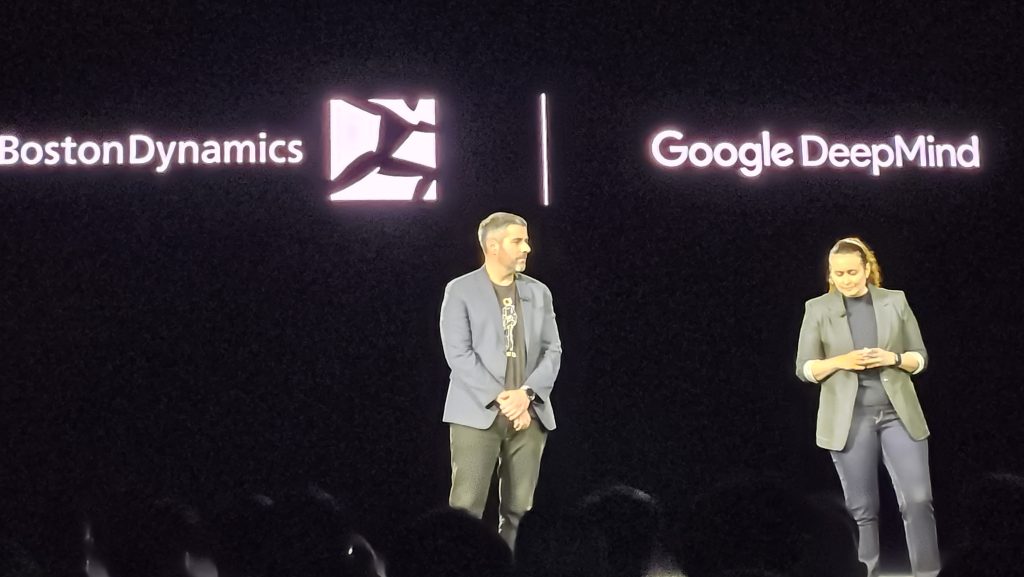
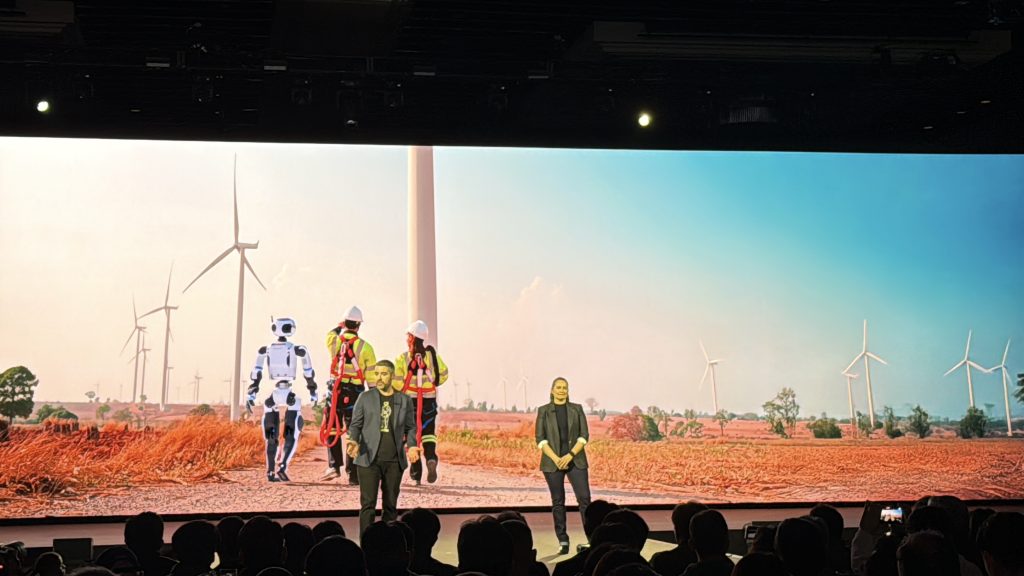
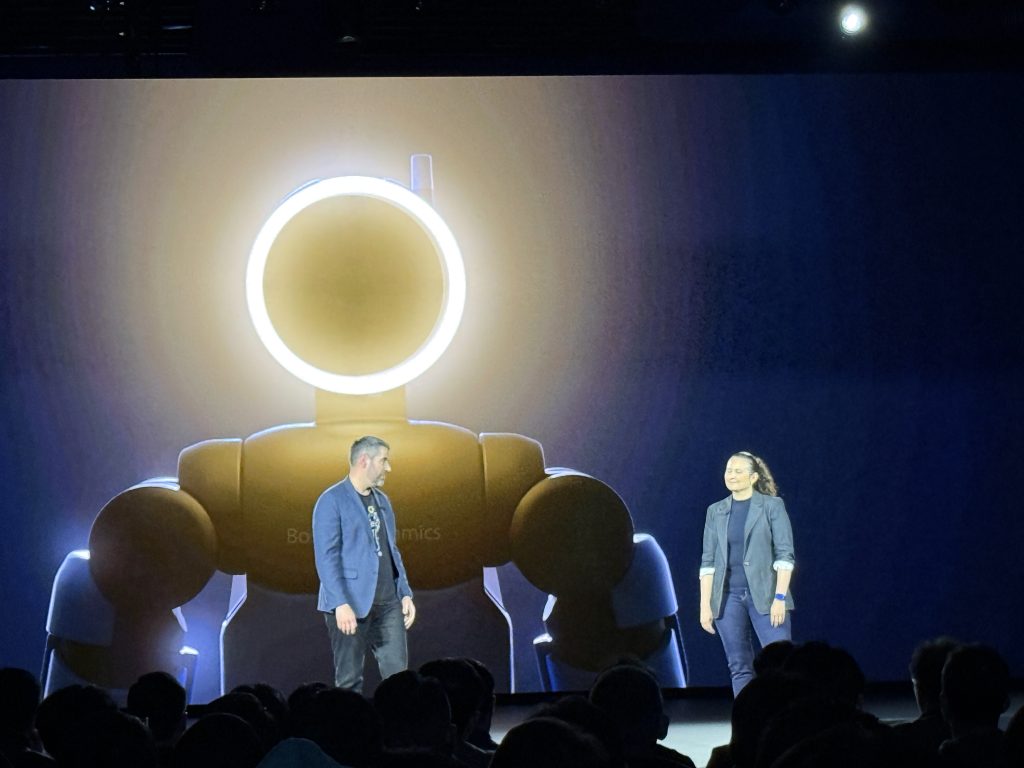
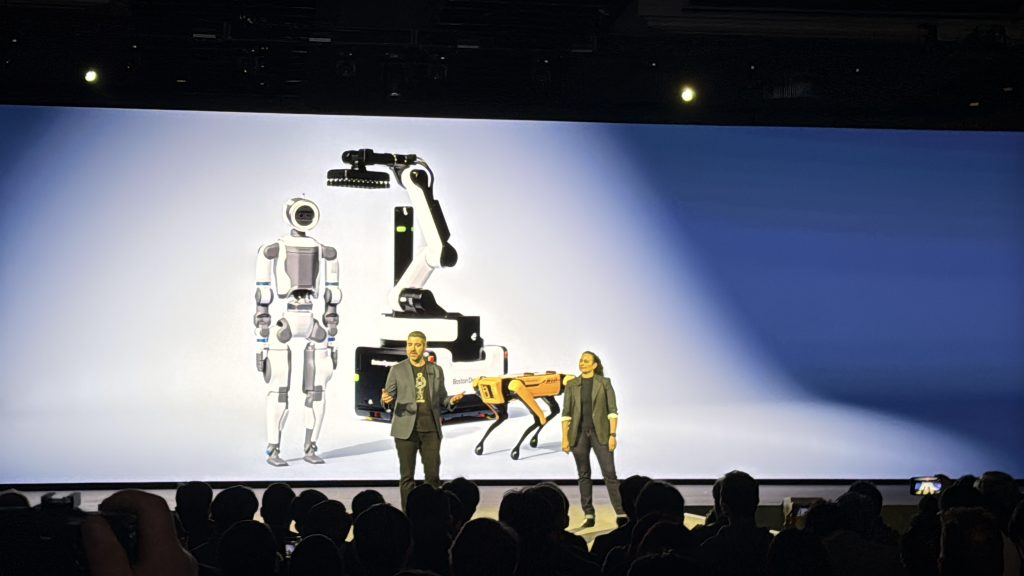
At CES, Boston Dynamics’ robots. Spot and Atlas captured global attention. Spot dancing to hip-hop wasn’t just a demonstration of engineering capability. It was a cultural moment.
Robotics moved from the factory floor into the public imagination.
At the same time, companies like NVIDIA are building the simulation layer with tools like Omniverse, a digital infrastructure that enables real-time modeling, digital twins, and AI-driven optimization. Hyundai is translating those capabilities into real-world systems: factories, products, and jobs.
The implication is profound:
We are entering an era in which humans and machines will share the same workspace, and productivity gains from automation will fundamentally reshape how work is defined.
That question of what happens to people in that system is the core of my work.
My Lens: Building the Pipeline for the Future of Work
Through Toyz Electronics and TOYZSTEAM, we have spent years building pathways into this emerging world.
We’ve reached students across continents using a different entry point into STEM—one rooted in culture. Hip-hop, gaming, storytelling, comic books, and immersive design serve as gateways to engineering, AI, and robotics.
In this framework, students don’t just learn, they build. They become Toyzmakers, creators designing their own tools, systems, and experiences.
This work is deeply personal. My son and co-founder, Wole, was inspired by many of the same technologies now reshaping the automotive industry. His journey from early curiosity to robotics and AI at Carnegie Mellon mirrors what is possible when exposure meets opportunity.
That perspective shaped how I experienced Hyundai’s global footprint.
From Singapore: Seeing the System
Over the years, I’ve seen Hyundai’s evolution across continents—from manufacturing plants in Europe to design studios in Korea.
But nothing prepared me for Singapore.
At HMGICS, I saw:
-
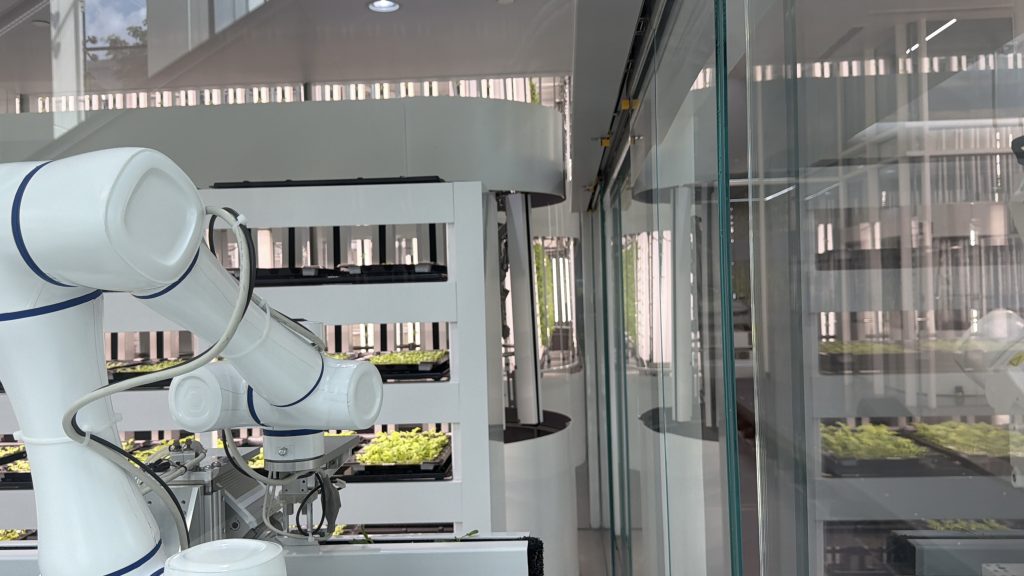
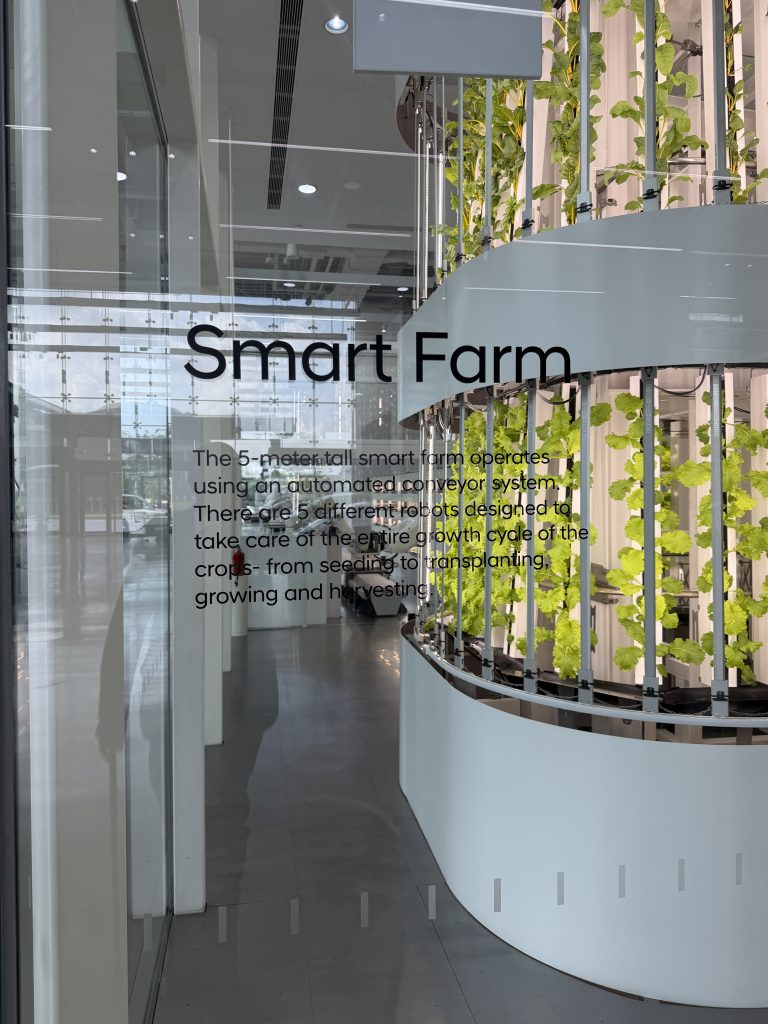
- Robots performing precision agriculture in an urban environment
-
- Highly automated EV production using flexible, cell-based systems
-
- AI coordinating operations through digital twin technology
-
- Vehicles moving directly from production to rooftop test tracks
Inside one building, Hyundai integrated manufacturing, simulation, robotics, entertainment, and customer experience into a single ecosystem.
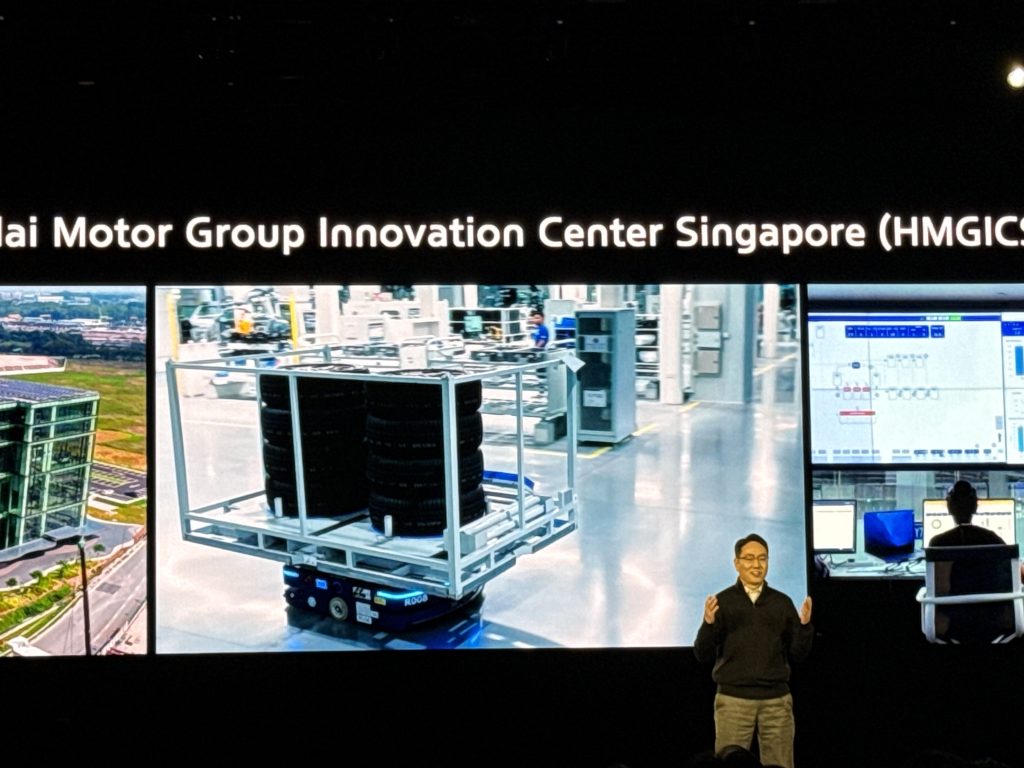
HMGICS is not just an innovation center.
It is a working model of the future.
José Muñoz Interview: Strategy in Real Time
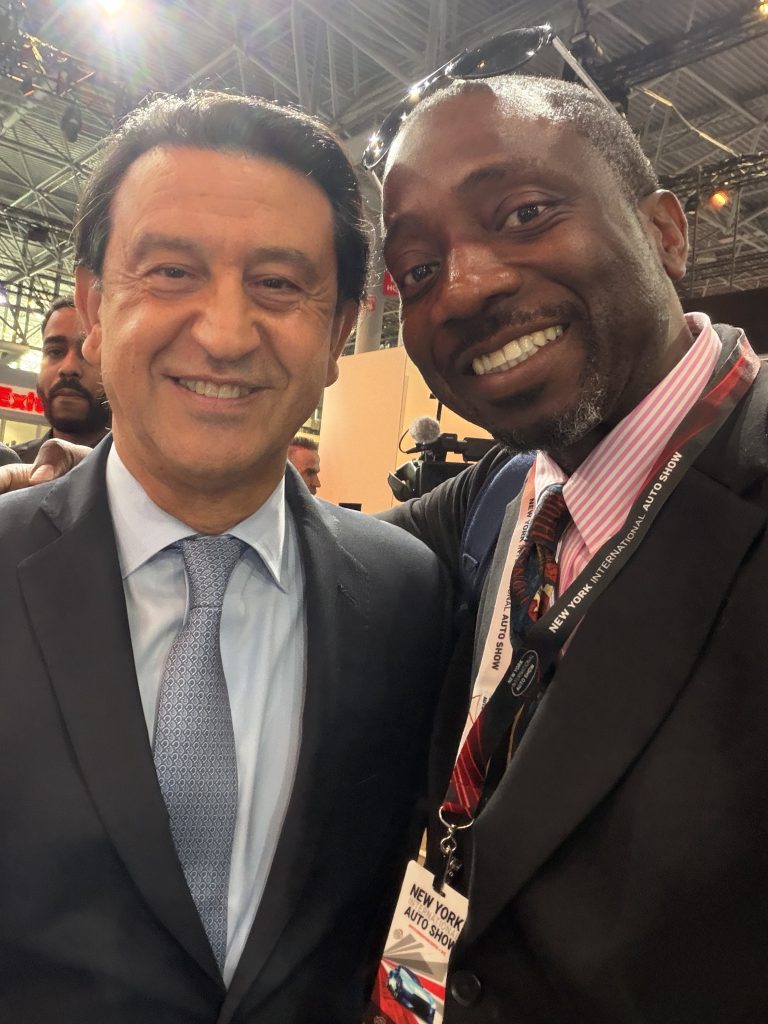
To understand how this plays out at scale, I spoke directly with Hyundai Motor Company President and CEO José Muñoz at the New York Auto Show. He told me directly, “We want to do in Savannah what we are doing in Singapore.”
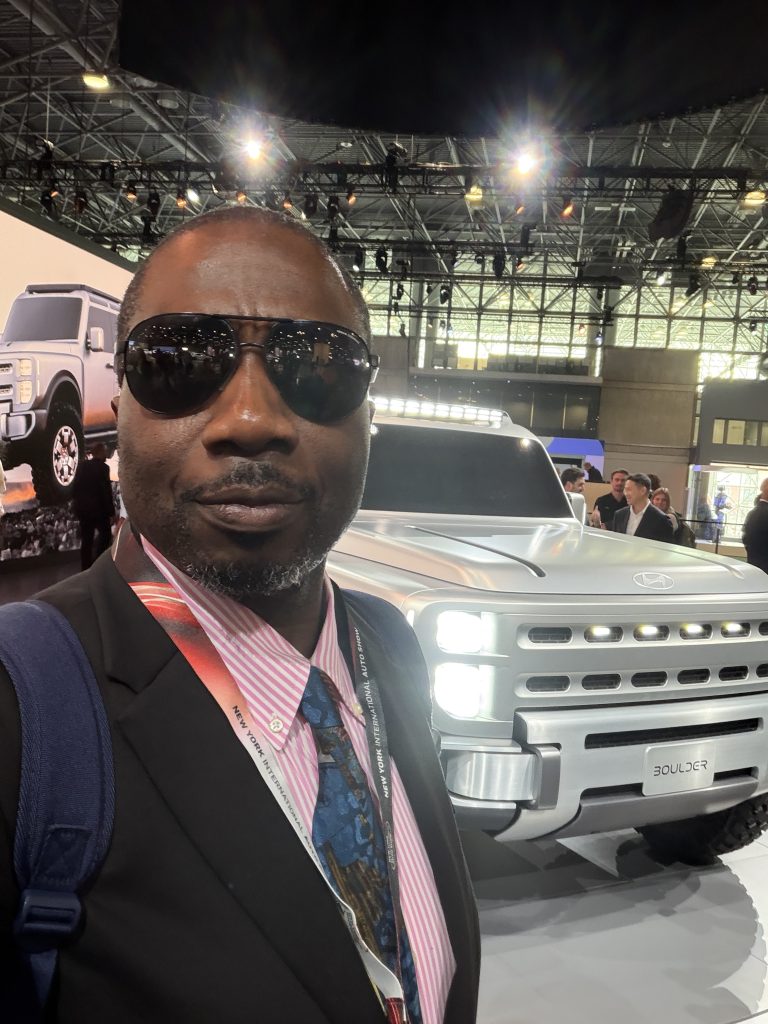
What follows is the full exchange.
José Muñoz Interview: Robotics, Georgia, and Scale
To understand how Hyundai is thinking about robotics, automation, and its expansion in the United States, I asked José Muñoz directly about how what I saw in Singapore translates into real-world deployment in America.
Damola Idowu:
So, how do you see robotics and automation, especially bringing in innovation? I was at your Hyundai Motor Group in Singapore, and I saw robotics farming. How are you bringing some of that automation, especially in cities like Atlanta, where you have Waymo doing fully autonomous vehicles? How would that bring into what you’re building in the U.S.?
José Muñoz:
As we have presented at CES, our vision is that our humanoid Atlas can bring a lot of the automation and work alongside humans to make possible higher quality, better productivity, and lower operating costs.
So that’s our vision. And then we have presented, in our plans, that we have intentions to deploy up to 30,000 robots across our facilities.
Damola Idowu:
Talk more about the Georgia expansion, because you’re doing a whole lot in Georgia, and there are a lot of great technical universities in the state.
José Muñoz:
Absolutely.
So, as you know, HMGMA has been the largest investment our company has made so far in America, in Georgia, Savannah. And it has also been the largest project in the history of the state.
We’re very proud that we have invested about $12.6 billion in that facility, including not only Hyundai Motor Company, but also our affiliates.
And most importantly, we have brought a lot of jobs to Georgia.
With this new phase, we are bringing more than 25,000 additional jobs.
We already support hundreds of thousands of jobs in the U.S., and we are going to bring another 25,000.
So Georgia has been at the forefront of our investment, and it will continue to be.
Hyundai Motor Group Metaplant America (HMGMA) in Ellabell, near Savannah, is the centerpiece of a $12.6 billion investment that includes EV and hybrid vehicle assembly and joint battery ventures, representing the largest single economic development project in Georgia’s history. The plant will ultimately support thousands of direct jobs and tens of thousands of direct and indirect jobs across the state, in partnership with Georgia’s universities and technical colleges.
In that context, what he said to me on record carries enormous weight:
“I want to do in Savannah what we did in Singapore.”
That line, to me, is the bridge between HMGICS and HMGMA between a high‑automation smart factory in a global innovation city and a large‑scale EV and hybrid plant in the American Southeast. It’s a commitment not just to deploy robots, but to deploy a *human‑centric* model of innovation, training, and community partnership—the same way HMGICS is designed to integrate with local businesses, universities, and Singapore’s broader smart‑city ecosystem.
The question is: how?
Building Pipelines Where the Plants Are
The southeastern United States is rich with talent but under‑resourced in exposure. Many students there are first‑generation college‑goers. Many schools face funding constraints. Many communities have lived experience with factories, but not with AI‑enabled smart factories where robots and humans share tasks in a high‑pressure, high‑precision environment.
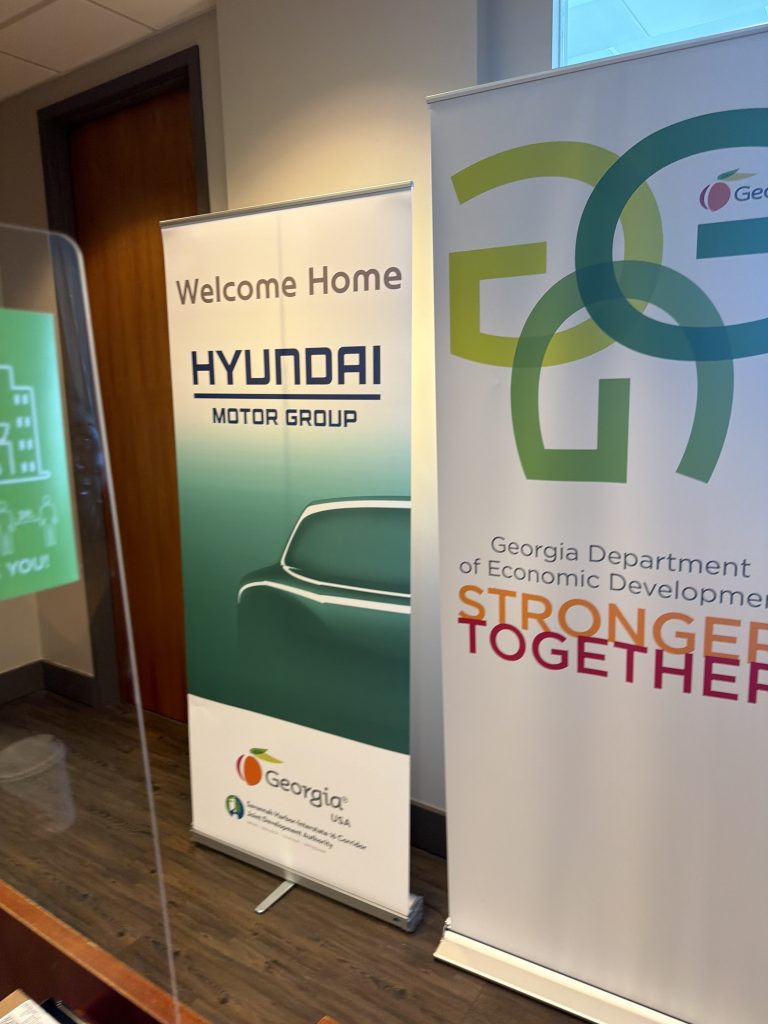
If Hyundai wants to “do in Savannah what they did in Singapore,” they will need more than buildings and machines. They will need pipelines that:
- Meet students where they are culturally, economically, and educationally.
- Use storytelling, games, music, and media to make advanced technology feel personal and possible.
- Provide early exposure through simulations and challenges so young people can see and test themselves in these environments before they ever apply.
- Give HR new data points: not just GPA and school name, but how someone responds to complex, open‑ended problems under guidance.
That’s exactly what we’ve been building with Toyz Electronics, TOYZSTEAM, and Superhero Rap—supported early on by companies like Hyundai. We’ve already shown that, with the right framework, you can teach meaningful technical skills quickly, across age groups, and at scale.
Why This Matters Now
Hyundai Motor Group is simultaneously opening a smart urban mobility hub in Singapore and ramping up one of the largest EV and hybrid facilities in U.S. history near Savannah. HMGICS is a testbed for human‑centric, AI‑driven production. HMGMA is a bet on America’s EV future and on Georgia’s workforce.
The robots are coming, yes. But so are tens of thousands of new jobs. The real question is who will get those jobs—and whether the underdogs, the hidden gems, the kids who never saw themselves in engineering or robotics, will have a shot.
I believe they can.
But it will require exactly what Shermaine and I spoke about in Singapore, and what José Muñoz’s line about Savannah and Singapore implies: a new kind of collaboration between global innovators and local communities. A model where culture, games, AI, and robotics all work together not to replace people, but to reveal their superpowers.
The Real Constraint: Talent
During my visit, one of the most important conversations I had wasn’t about technology—it was about people.
Shermaine, who works in talent and innovation, highlighted a critical challenge:
Finding talent is harder than building systems.
Traditional pipelines, résumés, credentials, and linear career paths are not equipped to identify potential in a rapidly changing environment.
Her focus was clear: find the underdogs.
The individuals who don’t present perfectly on paper but who can excel when given the right platform.
That alignment with our work was immediate.
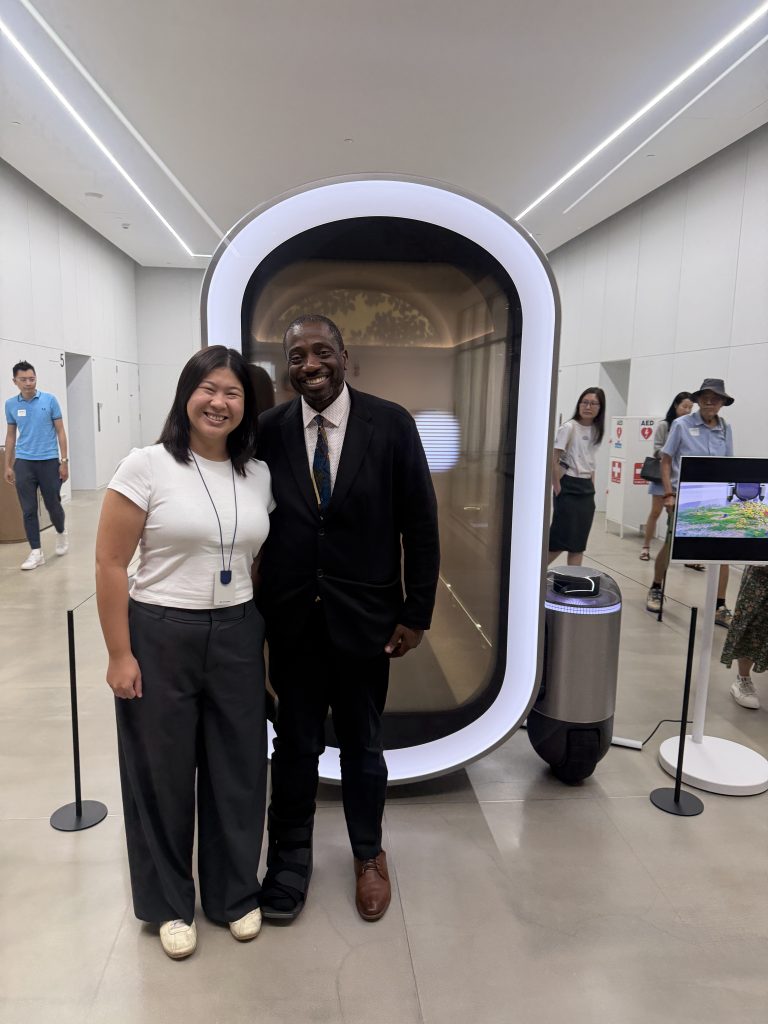
Sitting inside HMGICS, Shermaine Siew reframed the problem:
“There are a lot of hidden talents out there… we just don’t see them in the résumé.”
“They don’t present well… but they’re the hidden gems we want to dig out.”
“I just want to find all the underdogs.”
Culture as Workforce Infrastructure
This challenge becomes even more pronounced in the United States.
Across the Southeast, where Hyundai is building major facilities, there is enormous untapped talent. Yet exposure to advanced technologies remains limited, particularly in under-resourced communities.
That gap cannot be solved through traditional recruiting.
It requires cultural engagement.
That’s the foundation of Superhero Rap.
Instead of asking students to memorize pathways, we ask them to imagine themselves as hero builders with tools, powers, and purpose. Then we translate those ideas into real-world technologies.
Because people don’t step into the future through job descriptions.
They step into it through identity.
Rethinking How Talent Is Measured
The deeper issue is not just access; it is evaluation.
Today’s hiring systems measure past performance. But the future of work requires evaluating potential.
That’s where simulation, games, and project-based learning become powerful.
Instead of reviewing résumés, companies can observe:
-
- How people learn
-
- How they respond to feedback
-
- How they collaborate and solve problems in real time
In our programs, we’ve seen students learn technical skills rapidly when placed in immersive environments. More importantly, we’ve seen their growth intelligence, how they adapt and evolve, become visible.
That is something traditional hiring systems cannot measure.
Savannah: Scaling the Model
All of these ideas come together in Georgia.
Hyundai Motor Group Metaplant America, located near Savannah, represents not just a manufacturing investment but a broader opportunity.
When Hyundai leadership talks about replicating aspects of Singapore’s model in the United States, they are pointing toward something larger than production:
A system that integrates technology, workforce development, and community engagement.
The question is not whether the technology will scale.
It will.
The question is whether the human systems will scale with it.
Why This Moment Matters
Hyundai is building two futures simultaneously:
-
- A highly automated innovation hub in Singapore
-
- A large-scale production ecosystem in the United States
The robots are coming.
But so are tens of thousands of jobs.
The real issue is access.
Will these opportunities reach the underdogs, the hidden talent, the students who haven’t yet seen themselves in engineering, robotics, or AI?
Or will they remain concentrated within traditional pipelines?
The Opportunity Ahead
Hyundai’s most important innovation may not be any single vehicle or factory.
It may be the system it is building—one that connects:
-
- Technology
-
- Manufacturing
-
- Talent
-
- Culture
If that system succeeds in places like Savannah, it will do more than expand Hyundai’s footprint.
It will reshape how industries think about workforce development in the age of AI and robotics.
The Future Being Built
The future of work is not just about machines replacing tasks.
It is about uncovering human potential at scale.
That requires new models:
-
- New ways of teaching
-
- New ways of evaluating talent
-
- New ways of connecting people to opportunity
That’s the future I’ve been working toward.
And it’s the future Hyundai now has the opportunity to accelerate from Singapore to Savannah, and everywhere this model takes root.